
As scholars, activists, and artists, how can we address spaces of ruinous capitalism to raise the possibility of decolonial futures? This Periscope issue is a collaborative effort to think about and provide responses to this complex question from a number … Continue reading “Decolonial Futures”
In May 2011, the Anthropology Department and the Department of American Studies at the University of New Mexico offered a class entitled “Technologies of Settler-Colonialism in Israel-Palestine.” This field school was designed as a decolonizing project for American students … Continue reading “The Israel/Palestine Field School: Decoloniality and the Geopolitics of Knowledge”

I This dossier is one more step of the journey that began toward the end of 2009/beginning of 2010, and that already has roads planned into the future. The idea of this dossier, however, emerged in Middelburg, The Netherlands, … Continue reading “Decolonial AestheSis: Colonial Wounds/Decolonial Healings”
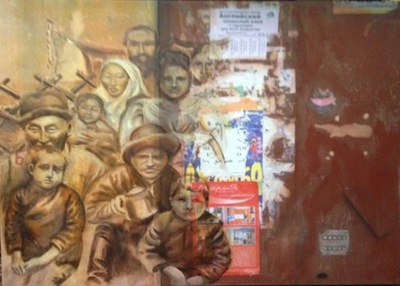
In this dossier we look at the geopolitics of sensing, knowing and believing that have been at play in the variegated versions of the project decolonial aestheSis. The participants are intellectuals, curators and artist and many of them all at … Continue reading “The Decolonial AestheSis Dossier”
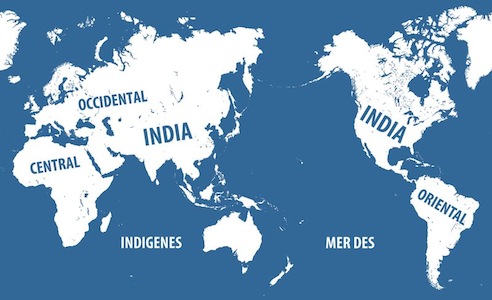
Three years ago, in the summer of 2010 I began a series of projects for Documenta 13 as part of the artists’ initiative called AND AND AND. On the one hand, these contributions focused on my Phantom Limbs and Twin … Continue reading “Propositions for a Decolonial Aesthetics and "Five Decolonial Days in Kassel" (Documenta 13 AND AND AND)”

The conceptualization of decolonial aesthetics[i] is fairly recent, however its points of departure — the epistemic shifts that have been challenging coloniality in the artistic and cultural practices of the Global South — are as old as the colonial … Continue reading “Black Europe Body Politics: Towards an Afropean Decolonial Aesthetics”

The postcommunist transition has been characterized in Eastern Europe by the return and rearticulation of capitalism and coloniality in this region of the world. Seen from Eastern Europe, the postcommunist transition can be understood as the top-to-bottom integration of East … Continue reading “Decolonial AestheSis in Eastern Europe: Potential Paths of Liberation”

The Biennial Statement The written curatorial statement from the organizing committee of the 11th Havana Biennial arrived via email the same day that we were preparing a dossier for the Romanian magazine IDEA. As we put together a brief … Continue reading “Decolonial AestheSis at the 11th Havana Biennial”

Hong Kong cinema has been in a state of ambivalence for a long time despite the fact that it has always been so unambivalently commercialized. This is less a cause than a consequence of the fissured condition of cultural production … Continue reading “Decolonial Moments in Hong Kong Cinema”

LOOKING BACK — The Decolonial Aesthetics Exhibition at Duke University The Decolonial Aesthetics Exhibition (May 4-June 5, 2011) at Duke University’s Fredric Jameson Gallery and The Nasher Museum of Art, among other venues, curated installations by scholar-artists Guo-Juin Hong … Continue reading “What/Where is "Decolonial Asia"?”

I always ask my students, grad and undergraduate, for the mid-term “exam”, to write a letter to whomever they wish. It should be an educated person who is a little bit familiar with the topic, or not necessarily. The question … Continue reading “Decolonial Aesthesis: From Singapore, To Cambridge, To Duke University”

This essay asks what it means to call people like Jeffrey Epstein “pedophiles.” The term pedophile was mobilized across the 1990s-2010s to name an exceptional sexual predator everyone could condemn, directing opposition to childhood sexual abuse toward punitive rather than … Continue reading “On the Vileness of the Pedophile”

Urban renewal means Negro removal. –James Baldwin The concept of gentrification was pioneered by the sociologist Ruth Glass (1912-1990) to depict rapidly upscaling London neighborhoods in the 1950s. What she had earlier called a “middle class invasion” became more … Continue reading “Kushnerism: Gaza Gentrification Means Palestinian Genocide”
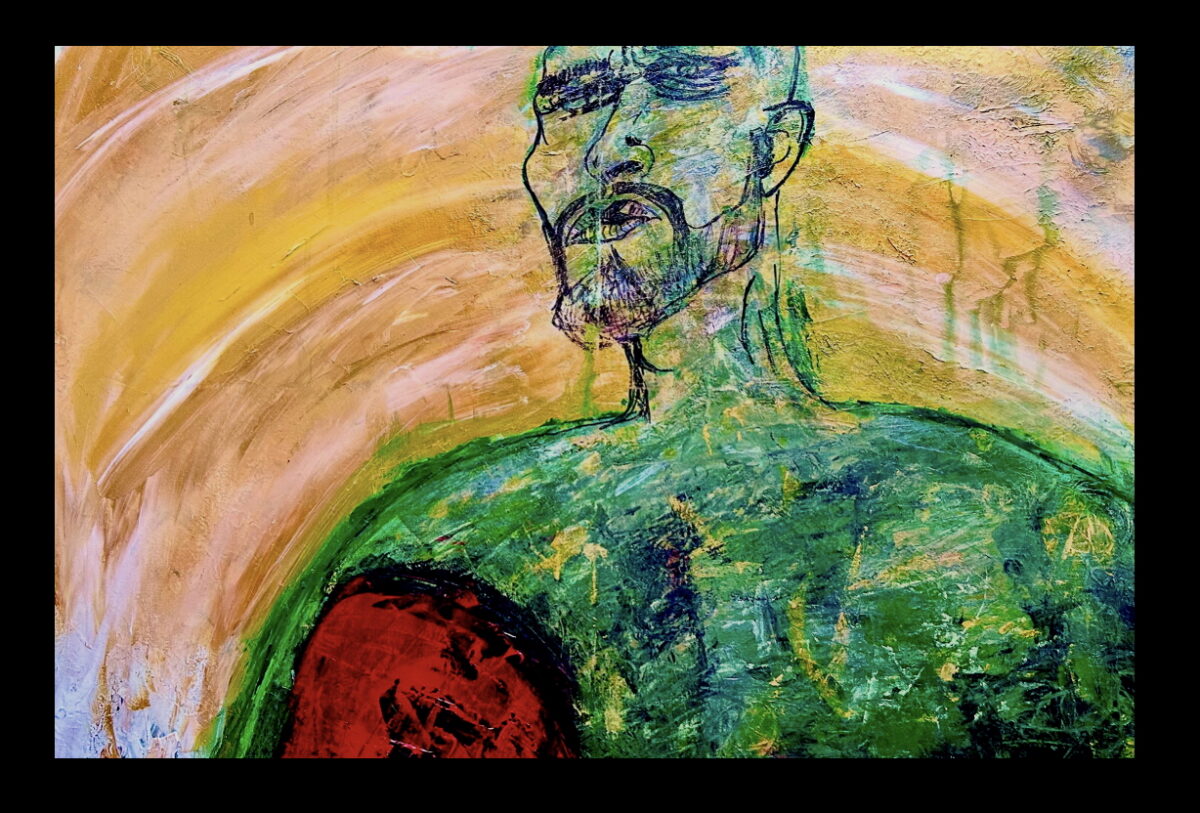
Down to the day, fifty-five years ago, on November 19, 1970, James Baldwin wrote Angela Davis a letter now published in an online forum called History Is a Weapon. At that point in history, Davis was arrested and held in … Continue reading “Future Is a Weapon”
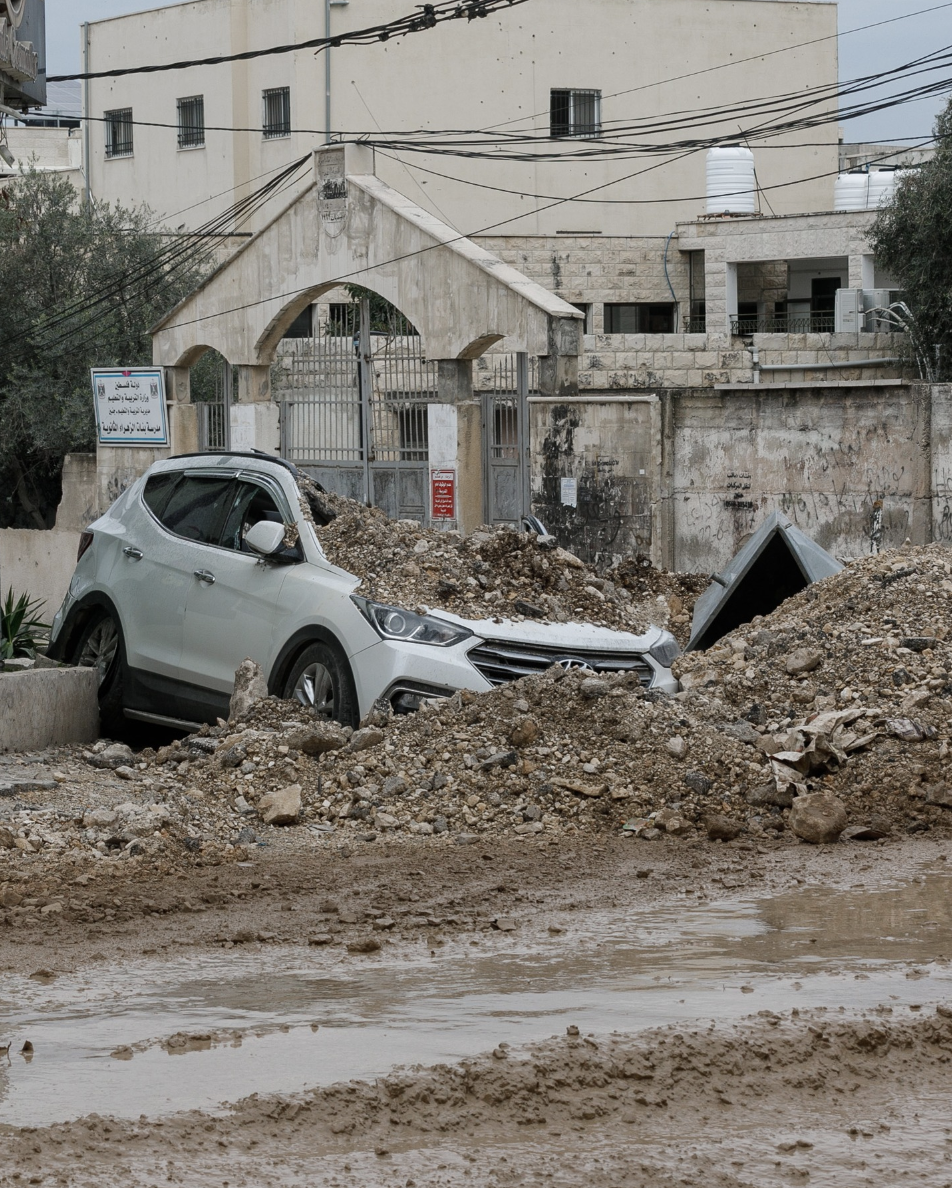
Students are often the first to remind the rest of the university that classrooms and campuses are not rehearsal spaces protected from a “real world” but are the very site at which to world-build against capitalism and coloniality. The current … Continue reading “Scholasticide and the Securitized State: Recontextualizing the Student Intifada”

